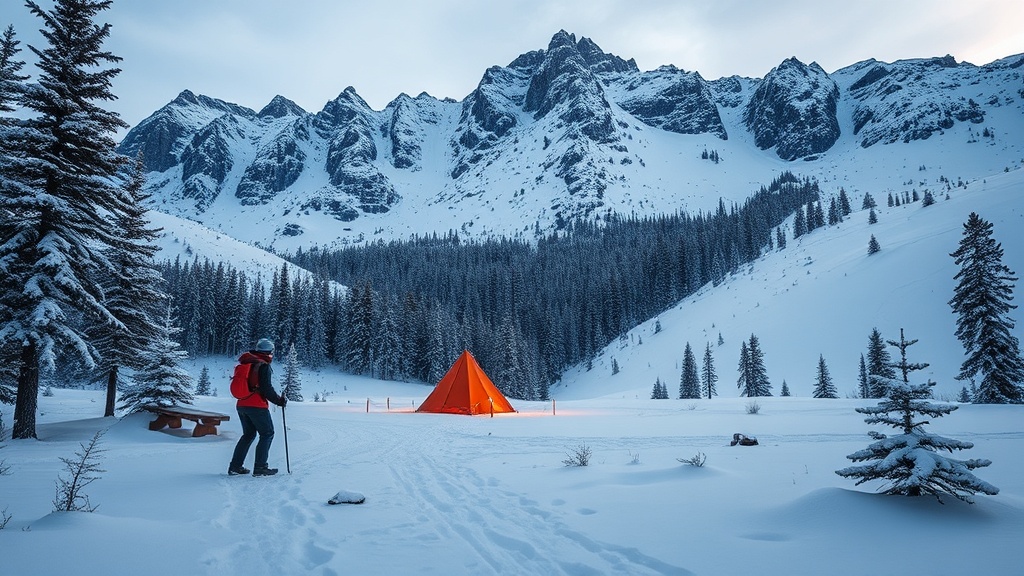
How to Plan the Perfect Winter Hike at Camp Darwin

Embrace the Frost: Mastering the Winter Hike at Camp Darwin
I remember sitting in a high-rise condo in downtown Toronto, staring at a grey slushy street and feeling a profound sense of seasonal depression. I thought I had left the "rugged" life behind for the comforts of the GTA. But the nickel magnet is real, and after a decade away, I realized that the secret to surviving—and actually thriving—in Northern Ontario isn't staying indoors; it’s getting out into the elements with the right preparation.
When people hear "winter in Sudbury," they often picture a desolate, frozen wasteland. They see the wind chill and the snow accumulation and think of isolation. I see something entirely different. I see Camp Darwin. This local treasure, located just a stone's throw from the city center, transforms in the winter into a breathtaking playground of frost-covered pines and pristine, snow-packed trails. However, a winter hike here is not the same as a summer stroll. Without the right strategy, a beautiful afternoon can quickly turn into a cold, uncomfortable ordeal.
Whether you are a seasoned trekker or someone looking to shake off the winter blues after a long week of work, this guide will help you navigate the trails of Camp Darwin like a true Northerner.
1. The Golden Rule: Layering for Success
The biggest mistake I see newcomers make is wearing a single, heavy parka and calling it a day. In the North, your biggest enemy isn't just the cold; it’s sweat. If you hike too hard in a heavy coat, you’ll sweat. Once you stop moving, that moisture freezes against your skin, and suddenly, you are in a dangerous situation. To avoid this, you must master the three-layer system.
- The Base Layer (Moisture Management): This is the layer against your skin. Never, under any circumstances, wear cotton. Cotton absorbs moisture and stays wet. Instead, opt for a high-quality merino wool or a synthetic moisture-wicking fabric. This layer pulls sweat away from your body.
- The Mid Layer (Insulation): This is your warmth provider. A fleece jacket or a lightweight "puffy" down vest works best here. This layer traps your body heat. If you find yourself getting too warm while climbing a steep incline, you can strip this layer off and put it in your pack.
- The Outer Layer (Protection): This is your shell. You need something windproof and water-resistant. Even if it isn't snowing, the wind whipping through the trees at Camp Darwin can cut right through a standard sweater. A breathable hardshell jacket is your best friend.
Pro Tip: Don't forget your extremities. A warm hat that covers your ears and high-quality wool socks (like Darn Tough or Smartwool) are non-negotiable. If you are planning on taking a break to enjoy the view, you might even want to pack a pair of lightweight "sitting gloves" or a waterproof pack cover for your seat.
2. Footwear and Traction: Navigating the Ice
The trails at Camp Darwin can be deceptive. One moment you are walking on soft, fresh powder, and the next, you hit a patch of "black ice" or a frozen root that hasn't been fully covered by snow. This is where many people lose their footing.
Standard running shoes will not suffice. You need boots with deep lugs for grip. However, even the best boots can struggle on the icy sections of the Darwin trails. I highly recommend investing in a pair of microspikes or Yaktrax. These are lightweight, slip-on traction devices that provide much-needed stability on icy inclines. They are a small investment that can prevent a very painful fall.
Once you finish your hike and head back toward the city, you might be craving something warm. If you’ve worked up an appetite, you can head toward the city center to find the best hidden gem coffee spots in downtown Sudbury to warm your hands and refuel with a hot latte or a robust dark roast.
3. Planning Your Route and Timing
Camp Darwin offers a variety of trail loops, ranging from short, easy paths to more undulating terrain. When planning your winter hike, you must consider two main factors: daylight and weather windows.
The Daylight Factor: In the winter, the sun sets much earlier than we’d like. If you start a hike at 3:30 PM, you might find yourself navigating a trail in near-darkness before you've even reached the halfway point. Always check the sunset time for the day of your hike and aim to be heading back at least 30 minutes before the light fades. If you aren't an experienced night hiker, don't risk it.
The Weather Window: Check the local forecast, but don't just look at the temperature—look at the wind chill and the wind speed. A -5°C day with no wind feels much different than a -5°C day with 40 km/h gusts coming off the Laurentian Highlands. If a heavy snowstorm is predicted, wait it out. Fresh, heavy snow can make the trails difficult to navigate and can hide obstacles like fallen branches or rocks.
4. Essential Gear Checklist
A successful winter hike is all about being prepared for the "what ifs." Even if you are only planning a short 45-minute loop, your pack should contain the following essentials:
- Navigation: Even though the trails are well-marked, a sudden snowstorm can obscure landmarks. Have a physical map or a downloaded offline map on your phone (ensure your phone is kept in an inside pocket close to your body heat to prevent the battery from dying).
- Light Source: A headlamp is much better than a handheld flashlight. It keeps your hands free for balance.
- Hydration: You still need to drink water, even when it's freezing. Dehydration is a real risk in the winter. Use an insulated water bottle to prevent your water from turning into a block of ice.
- High-Calorie Snacks: Your body burns significantly more energy just trying to maintain its core temperature in the cold. Pack nuts, energy bars, or dried fruit to keep your energy levels up.
- Emergency Kit: A small first aid kit, a fire starter (even if you don't plan on building one), and a spare pair of dry socks can be life-saving.
5. Respecting the North: Etiquette and Safety
As someone who grew up watching my father head out to the mines, I learned early on that nature demands respect. The same applies to our local trails. When you are out at Camp Darwin, you are a guest in the wilderness.
Leave No Trace: This is the cardinal rule of the outdoors. Whatever you pack in, you must pack out. This includes organic waste like orange peels or apple cores. If we want these trails to remain beautiful for the next generation of Sudbury hikers, we have to keep them pristine.
Share the Trail: Winter hiking can be a solitary activity, but you aren't alone. Be mindful of other hikers, especially those using snowshoes or cross-country skis. Give way to those traveling uphill, as they are often working harder and have less momentum.
Know Your Limits: There is no shame in turning back. If the wind picks up, the visibility drops, or you simply feel exhausted, turn around. The trails will be there tomorrow. If you find yourself feeling a bit too "outdoorsy" and want to transition back to a more controlled environment, remember that you can always plan the perfect winter picnic at Bell Park once you’ve warmed up and regained your bearings.
Final Thoughts: Why We Do It
People often ask me why I bother with the cold. Why not just stay in the house and watch a movie? My answer is always the same: there is a specific kind of clarity that comes with a winter hike. There is the sound of your boots crunching through fresh snow, the sight of the sun setting behind a frost-covered canopy, and the profound silence that only a snowy forest can provide.
Camp Darwin isn't just a park; it's a reminder that we live in a beautiful, dynamic landscape. It teaches us resilience, preparation, and appreciation. So, grab your layers, check your traction, and get out there. The North is waiting, and it’s much more inviting than the skeptics would have you believe.
Steps
- 1
Layer Up with Moisture-Wicking Clothing
- 2
Check the Weather and Trail Conditions
- 3
Pack Essential Safety Gear and Snacks
- 4
Choose the Right Footwear for Snow and Ice