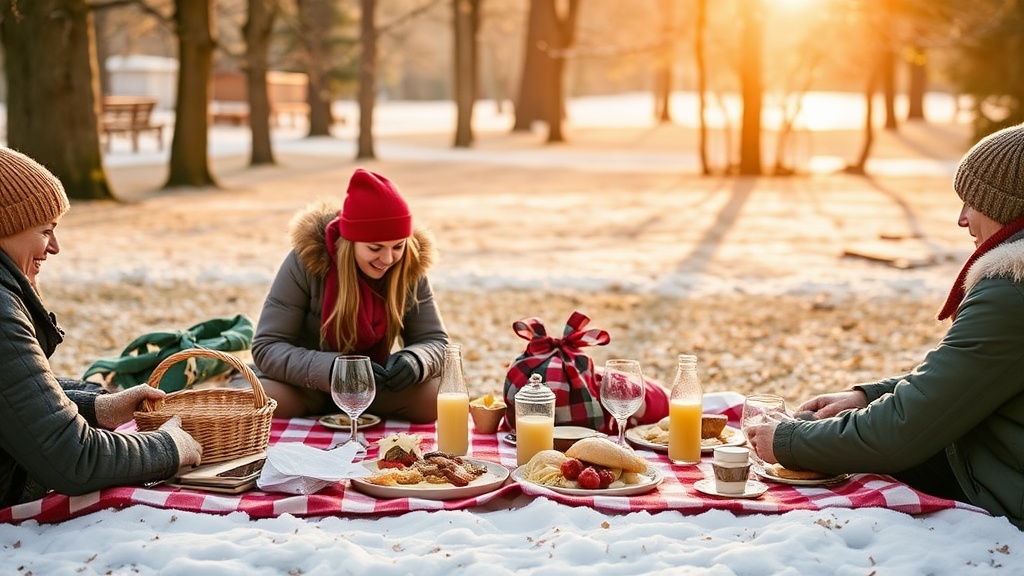
How to Plan the Perfect Winter Picnic at Bell Park

I remember sitting in a high-rise condo in Toronto, staring out at a grey, slushy street, feeling a profound sense of seasonal depression. I had convinced myself that winter was something to be endured behind triple-pane glass. It wasn't until I moved back home to Sudbury—back to the shadow of the stacks and the shores of Ramsey Lake—that I realized I was doing it all wrong. I was treating winter like an enemy rather than a season. My father, a man who spent thirty years in the mines, never complained about the cold; he simply prepared for it. My mother, an art teacher, taught me to see the way the light hits the snow in the late afternoon.
A winter picnic at Bell Park is not just about eating outside; it is a ritual of resilience and appreciation. If you try to do it like a summer picnic, you will fail. You cannot simply grab a sandwich and a thin blanket and hope for the best. To do a winter picnic properly, you need a strategy involving thermal management, caloric density, and timing. This guide is designed to help you master the art of the Northern outdoor lunch.
Phase 1: The Foundation of Warmth
The biggest mistake people make is focusing entirely on the food and neglecting the ground. In the North, the ground is a heat thief. It will suck the warmth right out of your body through conduction faster than the air can through convection.
Selecting the Right Gear
Do not reach for that thin fleece blanket you use on the couch. You need layers. When I head down to the park, I follow a strict hierarchy of insulation:
- The Waterproof Barrier: Always place a waterproof tarp or a heavy-duty plastic sheet on the ground first. Even if the snow looks dry, moisture will eventually seep through.
- The Insulation Layer: On top of the waterproof layer, place a thick, wool blanket or a dedicated outdoor camping pad. This creates a buffer between you and the frozen earth.
- The Comfort Layer: This is your aesthetic and tactile layer—the one that makes you feel cozy. A heavy wool blanket or a high-pile faux fur rug is perfect here.
The Importance of Seating
Sitting directly on a blanket, even a thick one, can still lead to numbness in your hips and glutes. I highly recommend bringing folding camping chairs or even small, portable stools. If you are set on a traditional picnic style, use a heavy-duty foam pad underneath your blanket. This ensures that your core temperature stays stable while you are enjoying your meal.
Phase 2: The Menu—Fueling the Body
In the summer, a picnic is about lightness and freshness. In a Sudbury winter, a picnic is about thermal energy. You are eating to keep your internal furnace burning. If you bring a salad to Bell Park in February, you are doing it wrong. You want foods that are calorie-dense, warm, and easy to eat with minimal dexterity issues (since your fingers might be a bit stiff).
The Warmth Factor
The gold standard for a winter picnic is the Insulated Thermos. However, don't just think of coffee. A high-quality vacuum-insulated flask can hold much more than just caffeine. Consider these options:
- Hearty Soups and Stews: A thick beef stew, a creamy tomato basil, or a hearty lentil soup. These are easy to eat from a thermos and provide immediate warmth.
- Spiced Cider or Hot Cocoa: Something with a bit of fat or sugar helps. A hot chocolate made with whole milk provides a much better energy boost than a thin, watery tea.
- Bone Broth: If you want something lighter but still incredibly nourishing, a savory bone broth is excellent for hydration and warmth.
The Food Selection
When choosing your main course, think about "one-handed" foods or things that can be eaten with a single utensil. You don't want to be struggling with a complex knife-and-fork situation while your hands are inside heavy mittens.
- Handheld Warmth: Think toasted paninis, hearty breakfast burritos (wrapped tightly in foil to retain heat), or even a warm meat pie.
- High-Fat Snacks: Cheese, nuts, and dried fruits are perfect. The fats in cheese provide sustained energy, and the variety of textures keeps the experience interesting.
- The "Sweet Finish": A warm cinnamon roll or a piece of dark chocolate can be a wonderful way to end the meal.
"The secret to a successful winter outing isn't just having enough food; it's having food that acts as a fuel source for your body's heat production."
Phase 3: Timing and Location at Bell Park
Bell Park is one of the crown jewels of our city, but its geography changes with the seasons. During the winter, the wind off Ramsey Lake can be biting. You need to be strategic about where you set up your "base camp."
Finding Your Spot
While the open areas near the water offer incredible views, they also offer zero protection from the wind. For a picnic, I suggest moving slightly inward toward the wooded areas or the sheltered benches. Look for areas where the tree line acts as a natural windbreak. If the wind is gusting, stay close to the structures or the denser clusters of trees. This will significantly extend the amount of time you can comfortably stay outside.
The Golden Hour
Timing is everything. If you want the most beautiful experience, aim for the late afternoon. The way the sun dips low over the lake and casts long, amber shadows through the snow-covered trees is nothing short of magical. However, you must be mindful of the temperature drop that occurs immediately after sunset. I always aim to be finishing my meal and packing up about 20 minutes before the sun actually goes down. You want to head back to the warmth of your car or home while you still have your momentum.
Phase 4: The Essential Checklist
Before you leave the house, do a final sweep. Missing one small item can turn a lovely afternoon into a miserable, shivering ordeal. Use this checklist to ensure you are prepared:
Clothing and Personal Care
- The Three-Layer Rule: A base layer (moisture-wicking), a mid-layer (insulation, like fleece or wool), and an outer shell (windproof and waterproof).
- Extremity Protection: Heavy mittens are better than gloves for picnics because they keep your fingers together to share heat. Don't forget a warm toque and a scarf to protect your neck.
- Footwear: Ensure your boots are insulated and waterproof. If you are sitting on the ground, consider wearing "over-pants" or extra thick wool socks.
- Hand Warmers: Both chemical hand warmers (to slip into your gloves) and perhaps even a heat pack for your seat.
The Picnic Kit
- Insulated Containers: High-quality thermoses are non-negotiable.
- Wet Wipes/Napkins: Even in winter, things can get messy.
- Trash Bags: We love our park. Always pack out what you pack in.
- A Small Portable Speaker: A low-volume soundtrack of jazz or soft acoustic music can elevate the entire atmosphere.
Final Thoughts: Embracing the North
People often ask me why I bother. Why go through the effort of packing heavy thermoses and multiple layers just to sit in the cold for an hour? My answer is always the same: Because the silence of a snowy afternoon is a luxury.
When you are at Bell Park in the winter, the world feels smaller, quieter, and more intentional. The crunch of the snow, the steam rising from your cup, and the sight of the frozen lake creates a sense of peace that you simply cannot find in the summer rush. It is a way to reclaim the season. It is a way to live with the North, rather than just surviving it.
So, next time the temperature drops and the snow starts to fall, don't retreat into your house. Pack your thermoses, grab your heaviest blankets, and head down to the lake. I promise you, once you do it right, you'll never look at a winter afternoon the same way again.
Steps
- 1
Choose Insulated Containers
- 2
Layer Your Seating
- 3
Pack High-Energy Snacks
- 4
Select a Wind-Protected Spot