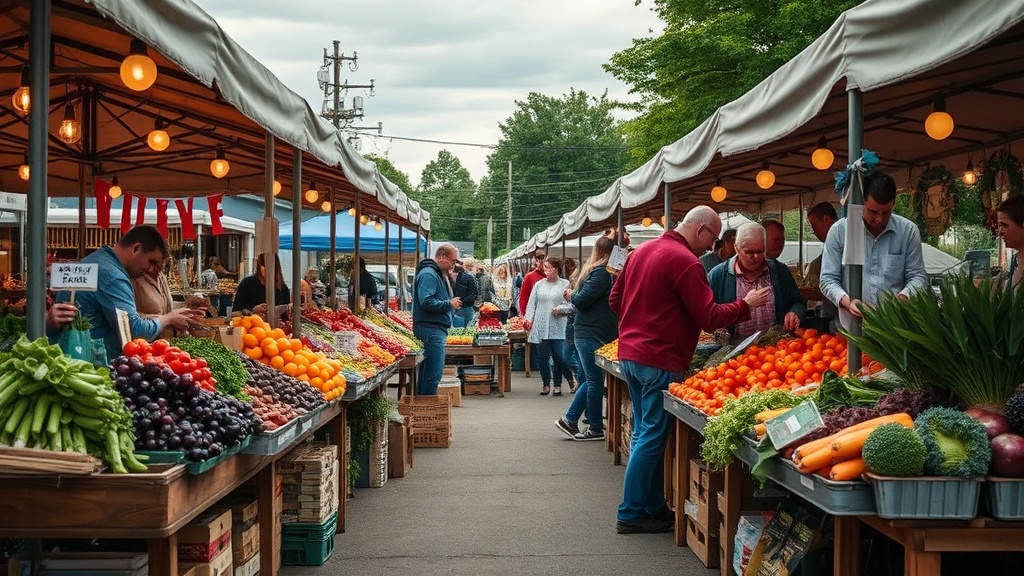
Navigating the Best Local Farmers' Markets in Greater Sudbury

Over 70% of the produce found in standard grocery store aisles is shipped from distances exceeding 1,000 kilometers, often losing nutritional density every hour it spends in a refrigerated truck. In Northern Ontario, the seasonal window for fresh harvest is tight, but the quality of local goods—from the heavy cream of local dairies to the crispness of field-grown kale—often surpasses anything found in a national chain. Navigating the Greater Sudbury farmers' market circuit requires more than just showing up; it requires a strategy to account for seasonal shifts, varying locations, and the specific rhythms of our local producers.
The Seasonal Rhythm of Northern Markets
In the North, the "market season" is not a monolithic block of time. Unlike Southern Ontario, where markets might stretch deep into the autumn, Sudbury's market landscape shifts dramatically between the frost-free months and the preservation season. To shop effectively, you must understand that your inventory will change based on the thermometer.
From late May through September, the focus is on high-moisture crops and fresh greens. This is when you will find the highest concentration of berries, leafy greens, and stone fruits. As we transition into late August and September, the inventory shifts toward heavy-hitters: squash, root vegetables, and hardy apples. Understanding this transition allows you to plan your pantry restocking cycles more efficiently.
The Sudbury Market Circuit: Key Locations and Logistics
There is no single "central" market, but rather a collection of hubs that serve different neighborhoods and needs. Knowing where to go depends entirely on what you are looking for and what day of the week it is.
- The Downtown Core (Various Locations): Often centered around the civic buildings or near the transit hubs, these markets are ideal for those looking for artisanal goods, micro-greens, and specialty baked goods.
- The Valley and South End Hubs: These locations often cater to families and residents looking for bulk produce, such as large bags of potatoes or crates of seasonal berries.
- The Seasonal Pop-Ups: Keep an eye on community centers and local parks. These are often smaller in scale but offer high-quality niche products like local honey or hand-crafted soaps.
A Tactical Guide to Shopping for Fresh Produce
Shopping at a farmers' market is a different skill set than navigating a supermarket. You are no longer choosing from a standardized, plastic-wrapped selection; you are choosing from a living harvest. To get the most value, follow these specific protocols.
Identifying Peak Ripeness in Local Crops
When selecting produce, look for indicators of freshness that are specific to our northern soil. For example, when buying local honey, look for a clear, consistent texture. If you are buying seasonal berries, avoid any that have visible moisture or "bleeding" juice in the bottom of the container, as this indicates they have been sitting in heat and are beginning to break down.
For root vegetables like carrots or beets, ensure they are firm and heavy for their size. A limp carrot is a sign of dehydration, meaning it has likely been out of the ground too long without proper storage. When purchasing hardy greens like kale or chard, look for vibrant, upright leaves. If the stems are translucent or mushy, the produce is past its prime.
The "Cash and Carry" Rule
While many vendors are increasingly adopting digital payments, the most efficient way to navigate a Sudbury market is to carry physical cash. Many of our smaller-scale producers, especially those selling specialized items like hand-pressed oils or freshly baked sourdough, may have intermittent cellular service or limited mobile payment capabilities. Having small denominations ($5, $10, and $20 bills) ensures you can complete a transaction quickly and move through the market without bottlenecking the line.
Building a Northern Pantry: Beyond the Produce Aisle
A successful visit to the market should result in more than just a bag of vegetables. To truly live the Northern lifestyle, you should be looking for the "staples" that allow you to maintain a high-quality diet through the winter months. This involves looking for shelf-stable, locally produced goods.
The Essential Local List
When you are at the market, look specifically for these three categories of goods to build a resilient pantry:
- Preserved Goods: This includes local jams, jellies, and pickles. These are often made with surplus summer harvests and provide essential vitamins during the darker months.
- Protein and Dairy: Seek out local egg producers and small-batch creameries. The fat content in local dairy is often higher and more consistent than mass-produced versions, making it superior for baking.
- Dry Goods and Grains: Many vendors offer local flour or even small-batch grains. These are foundational for making your own bread or thickening stews.
If you are planning to use these ingredients for a social gathering later in the season, remember that these items pair excellently with outdoor dining. For instance, a basket of fresh berries and local cream is the perfect accompaniment for a perfect summer picnic at Ramsey Lake.
Maximizing Your Market Experience: Pro-Tips for Success
To avoid the common pitfalls of market shopping—such as bringing home wilted produce or forgetting your reusable bags—implement these professional habits.
Preparation and Timing
The best time to visit a market is during the first hour of operation. This is when the inventory is at its peak and the selection is most diverse. If you arrive toward the end of the market window, you may find that the most popular items, such as fresh sourdough bread or high-demand berry varieties, have already sold out. However, the final 30 minutes can be a strategic time for those looking for "clearance" prices on items that producers want to move before they head home.
The Proper Gear
Do not rely on single-use plastic bags. A professional market shopper utilizes a tiered bag system:
- Heavy-Duty Canvas Totes: For heavier items like potatoes, squash, and jugs of local milk.
- Mesh Produce Bags: Essential for delicate items like berries and leafy greens to prevent bruising.
- A Small Insulated Cooler Bag: This is non-negotiable if you are purchasing dairy, meat, or eggs. Even in the mildest Northern summer, keeping your perishables at a stable temperature during the drive home is vital for food safety.
"The goal of shopping local in the North isn't just about the food; it's about the connection to the land and the people who work it. When you buy a jar of honey from a producer in the Valley, you are participating in the local economy that keeps our community resilient."
Connecting the Harvest to Your Lifestyle
Once you have successfully navigated the market and secured your haul, the work continues in your kitchen. Using local ingredients requires a different approach to cooking. For example, when working with freshly harvested root vegetables, you may want to use longer, slower roasting methods to bring out the natural sugars that are much more pronounced in local varieties than in store-bought ones.
As the seasons turn and the temperature drops, your market strategy should shift from buying fresh to buying for preservation. Use your summer market haul to stock up on the ingredients needed for hearty, warming meals. This cycle of buying, cooking, and enjoying is what separates a casual resident from someone who truly understands how to thrive in the Greater Sudbury area. Whether you are preparing a meal to enjoy outdoors or stocking your pantry for a long winter, the local farmers' market is your most valuable resource.
Steps
- 1
Check the Seasonal Schedule
- 2
Bring Reusable Bags and Small Change
- 3
Arrive Early for the Best Selection
- 4
Talk to the Producers