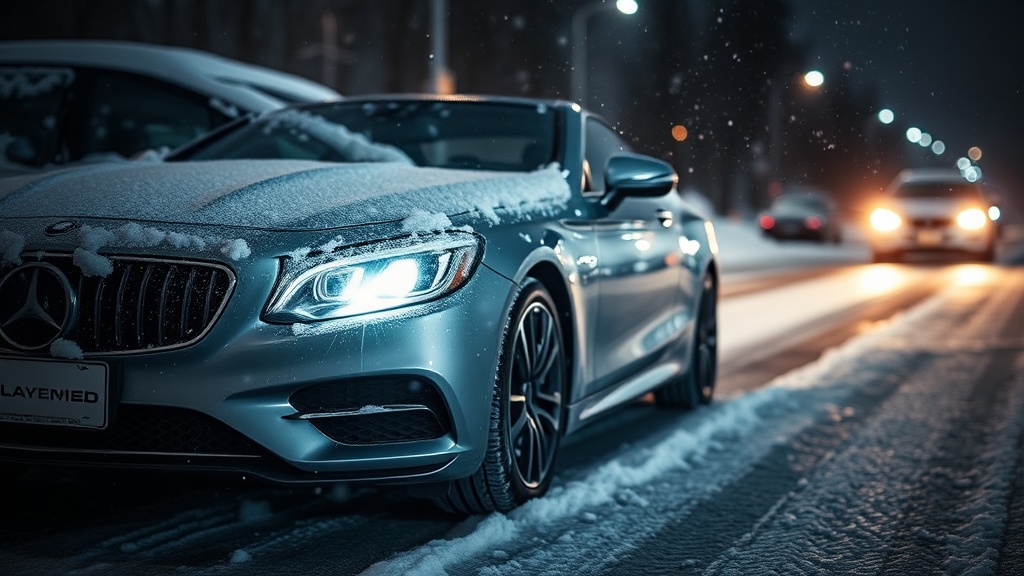
Keep Your Car Ready for Northern Ontario Winters

Quick Tip
Always keep a winter emergency kit in your trunk, including a shovel, sand, and warm blankets.
Are you worried your vehicle won't start on a -30°C morning in Copper Cliff? This post covers the specific maintenance steps and gear you need to ensure your car stays reliable during a Northern Ontario winter. It's about more than just luck; it's about being prepared for the unpredictable weather we deal with up here.
What Should I Check on My Car Before Winter?
You should prioritize your battery, tires, and fluids before the first major snowfall hits. A battery that works fine in the fall might fail completely once the temperature drops below -20°C. It’s a common headache for locals.
Check your battery's charge and look for any corrosion on the terminals. Also, make sure your coolant/antifreeze levels are correct—don't just guess. You want a mix that is rated for extreme sub-zero temperatures. You can find specific technical standards for automotive fluids on the Wikipedia page for antifreeze to ensure you're buying the right stuff.
- Tire Tread: Ensure you have deep tread for snow displacement.
- Battery Strength: Test it if it's more than three years old.
- Wiper Blades: Replace any that are streaking or cracked.
- Lights: Check your headlights, brake lights, and turn signals (visibility is everything in a snowstorm).
What Are the Best Winter Tires for Northern Ontario?
The best winter tires are those designed for heavy snow and ice, such as the Bridgestone Blizzak or Michelin X-Ice series. These brands are staples in our community because they actually grip the ice rather than sliding right over it.
If you're driving a larger vehicle or an SUV, you might want to consider the specific load ratings. Here is a quick comparison of your main options:
| Tire Type | Best Use Case | Pros | Cons |
|---|---|---|---|
| All-Season | Mild weather/City driving | Good for summer/fall | Dangerous on ice/deep snow |
| Winter (Studded) | Extreme ice/Unplowed roads | Maximum grip | Noisier on dry pavement |
| Winter (Non-Studded) | Standard Northern driving | Quiet and reliable | Less grip on pure ice |
Worth noting: even the best tires won't save you if you're driving too fast for the conditions. Slow down—it's better to arrive late than not at all.
What Should I Keep in My Car for Emergencies?
Keep an emergency kit containing a shovel, sand or kitty litter, a heavy blanket, and a portable jump starter in your trunk. You never know when a sudden blizzard might leave you stuck on a backroad.
I always keep a high-quality shovel (like a Snow Joe) and a bag of sand in my trunk. The sand helps with traction if you get stuck in a snowbank—and trust me, it happens more than you'd think. Also, grab a reliable jump starter like a NOCO Boost; it's a lifesaver when your battery dies in the middle of a grocery run. If you're planning on driving through remote areas, check the Ontario government's winter driving tips for more safety advice.
Don't forget a warm snack and extra layers. If you're heading out for a long drive, maybe grab a coffee first at one of the hidden coffee gems in downtown Sudbury to stay alert.