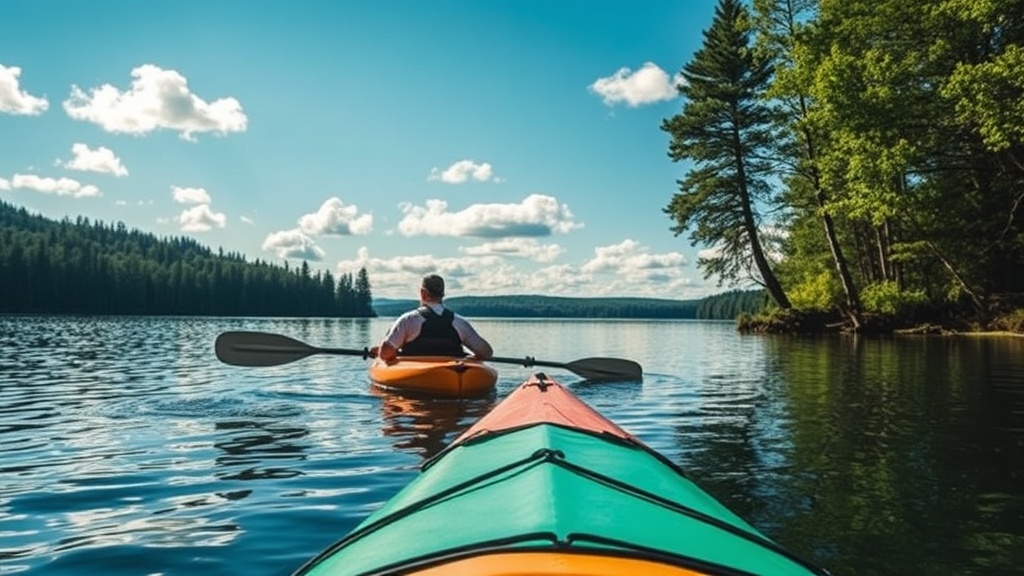
How to Prepare for a Summer Kayak Trip on Ramsey Lake

The sun hits the surface of Ramsey Lake around 6:00 AM, turning the water into a sheet of hammered silver before the heat of the day sets in. If you are planning to get out on the water this season, you need more than just a paddle and a sense of adventure; you need a systematic approach to safety and gear. This guide covers everything from checking local weather patterns to the specific gear requirements for navigating the relatively calm but unpredictable waters of our local centerpiece. Proper preparation ensures that your summer outing remains a highlight of your season rather than a logistical headache.
Check the Local Conditions and Weather
Before you even touch your kayak, you must consult reliable weather data. While Ramsey Lake is protected compared to the open waters of Lake Superior, it is still susceptible to sudden wind shifts and heavy thunderstorms common to Northern Ontario summers. Do not rely on general provincial forecasts; look for localized data that accounts for the basin topography of the Sudbury area.
Wind Speed and Direction: Wind is the most significant factor for a kayaker on Ramsey. A 15 km/h wind might feel negligible on land, but if you are paddling against it near the shores of Bell Park, it can significantly increase your fatigue. Always check the wind direction. If the wind is blowing toward the shore, your return trip to the launch point will be much harder than the departure. If the wind is blowing away from the shore, be aware of the potential for being pushed into the middle of the lake.
Thunderstorm Warnings: In the North, summer storms often move quickly but with high intensity. If the radar shows a cell moving toward the Greater Sudbury area, stay off the water. Water and lightning are a lethal combination, and being in an open kayak provides zero protection. If you see dark clouds or hear thunder, head to the nearest shore immediately.
Water Temperature: Even in July, the deep sections of Ramsey Lake can remain surprisingly cool. While you aren't dealing with the freezing temperatures of a spring melt, a capsize can still lead to rapid heat loss. Knowing the water temperature helps you decide if a wetsuit or a dry suit is necessary for a longer excursion.
Essential Gear and Safety Equipment
The difference between a fun afternoon and a dangerous situation often comes down to the quality of your gear. Do not skimp on the basics. If you are renting equipment from a local outfitter, ensure you inspect it thoroughly before leaving the dock.
The Kayak and Paddle
Ensure your kayak is structurally sound. Check the hull for any cracks or soft spots, especially if you are using an older model. Your paddle should be the appropriate length for your height and the width of your seat. A paddle that is too long will hit the sides of the boat, while one that is too short will cause shoulder strain. For a standard recreational kayak used on Ramsey, a lightweight fiberglass or high-quality plastic paddle is ideal to reduce fatigue during long sessions.
Personal Flotation Devices (PFD)
A Coast Guard-approved life jacket is non-negotiable. It is not a "suggestion" for when you get tired; it is a piece of safety equipment that must be worn, not just kept in the boat. Ensure the PFD fits snugly around your torso. If you can pull the shoulder straps upward without the jacket hitting your ears, it is too loose. For summer paddling, look for a high-visibility color like neon orange or yellow to ensure you are visible to motorized boats passing near the shores.
The Safety Kit
Every kayak should carry a basic safety kit. This includes:
- A Whistle: A pea-less whistle (like a Fox 40) is best because it works even when wet. It is your primary way to signal for help.
- A Bilge Pump or Sponge: Small amounts of water can enter your cockpit through splashes or rain. A hand pump is the most efficient way to clear it.
- A Dry Bag: Use a brand like Sea to Summit to keep your phone, keys, and extra clothing dry. Even a small splash can ruin electronics if they aren't protected.
- A First Aid Kit: Focus on basics like waterproof bandages, antiseptic wipes, and ibuprofen.
Packing for the Northern Summer
The weather in Northern Ontario can change in a heartbeat. You might start your paddle in 25°C sunshine and end it in a light drizzle with a 10-knot wind. Pack with layers in mind.
Clothing Layers: Avoid cotton at all costs. Cotton absorbs water, stays heavy, and pulls heat away from your body. Instead, opt for synthetic moisture-wicking fabrics or merino wool. Even if it is a hot day, bring a lightweight, long-sleeved sun shirt (UPF rated) to protect your skin from the intense glare reflecting off the water. A light windbreaker is also essential for when the temperature drops in the late afternoon.
Sun Protection: The sun is much more intense when you are sitting on the water with light reflecting off the surface. Apply a high-SPF, water-resistant sunscreen to your face, neck, and arms. Don't forget a wide-brimmed hat and polarized sunglasses. Polarized lenses are particularly helpful as they reduce the glare on the water, allowing you to see submerged rocks or obstacles more clearly.
Hydration and Nutrition: Dehydration is a common cause of fatigue and poor decision-making. Bring more water than you think you need. A bladder system (like a CamelBak) is highly effective because it allows you to drink while paddling without having to stop and reach for a bottle. For snacks, choose high-energy, non-perishable items like granola bars or dried fruit. Avoid heavy meals that might cause discomfort while sitting in a seated position for an extended period.
Navigation and Etiquette on Ramsey Lake
Ramsey Lake is a shared resource. You will be sharing the water with motorized boats, jet skiers, and other paddlers. Understanding how to navigate these interactions is vital for your safety and the enjoyment of others.
Stay Clear of Motorized Traffic: Large boats create wakes. If you see a boat approaching, try to cross its path at a 90-degree angle rather than running parallel to it. This minimizes the impact of the wake on your kayak. If you are near the more populated areas, such as the docks near the city center, be extra vigilant of speedboats and personal watercraft.
Know Your Boundaries: While Ramsey Lake is large, it is not infinite. Plan your route and know your turnaround point. If you are planning a longer excursion, consider checking out Greater Sudbury's top attractions to see where the best launch points and scenic routes are located. Knowing your landmarks—such as specific points of land or prominent buildings—will help you stay on course if you lose sight of the shore.
Leave No Trace: As locals, we are the stewards of our environment. Whatever you pack into your kayak, you must pack back out. This includes organic waste like orange peels or apple cores. Keep the lake clean so that the next generation of paddlers can enjoy the same pristine conditions.
Post-Paddle Maintenance
Your preparation doesn't end when you step out of the boat. To ensure your gear lasts for many seasons, you must perform basic maintenance after every trip.
Rinse with Fresh Water: Even if you didn't go far, salt or minerals can build up. If you used any spray or sunscreen, rinse your kayak and paddle with fresh water to prevent buildup. This is especially important for the mechanical parts of your paddle or any clips on your PFD.
Dry Your Gear Properly: Never store a wet kayak or PFD in a closed garage or basement. This leads to mold and mildew. Hang your PFD in a well-ventilated area and ensure your kayak is completely dry before storing it. If you use a dry bag, make sure it is completely dry before folding it up to prevent a musty smell for your next trip.
Inspect for Damage: While your gear is drying, do a quick visual inspection. Check your paddle for cracks and your PFD for any frayed stitching. Identifying a small issue now prevents a major failure during your next outing. If you've noticed any wear and tear, address it before the next sunny weekend hits the shores of Ramsey.
Steps
- 1
Check the Weather and Wind Forecast
- 2
Gather Essential Safety Gear
- 3
Pack a Waterproof Dry Bag
- 4
Choose Your Launch Point