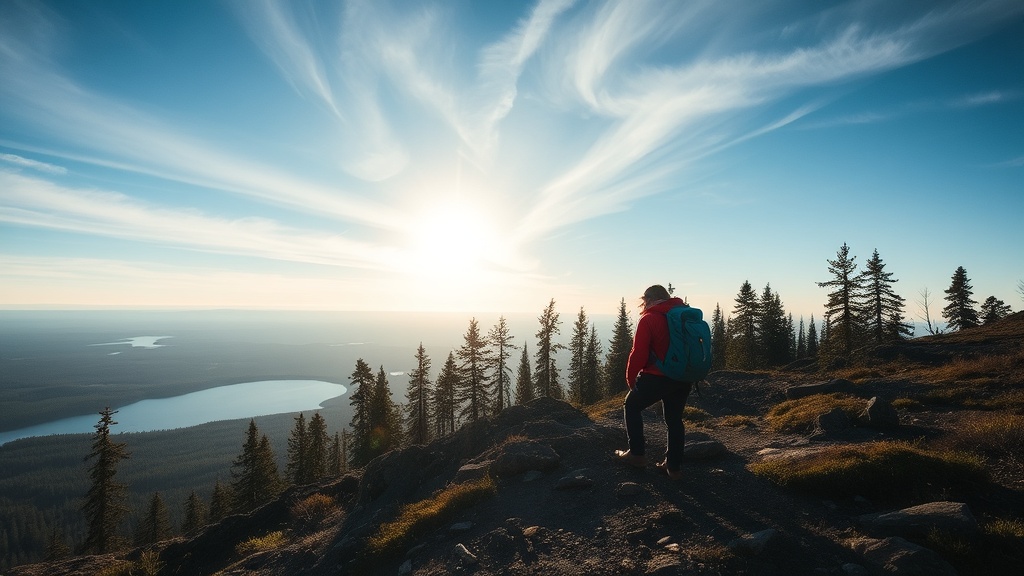
How to Prepare for a Successful Hiking Trip in Northern Ontario

Nearly 40% of search and rescue calls in Northern Ontario during the summer months are related to hikers who were underprepared for sudden weather shifts or terrain difficulty. This post provides a comprehensive guide on how to plan, pack, and execute a hiking trip in the Northern Ontario wilderness to ensure you stay safe while enjoying our rugged landscape. Whether you are tackling the rocky outcrops of Killarney Provincial Park or the trails around Camp effectively, following these specific protocols will minimize risk and maximize your enjoyment of the North.
Research the Specific Trail and Terrain
Not all trails in Northern Ontario are created equal. A "moderate" trail in a local park like Laurentian Provincial Park feels very different from a technical trek in the Algoma District. Before you even leave your house, you must identify the exact difficulty level and the specific type of terrain you will encounter.
Analyze Elevation and Surface Type
Northern Ontario is defined by the Canadian Shield. This means you should expect significant elevation changes, exposed granite, and uneven surfaces. If you are hiking in the Killarney area, prepare for steep climbs on smooth rock that can become incredibly slippery when wet. Use resources like AllTrails or Gaia GPS to look at topographical maps. Do not rely solely on a single app; cross-reference elevation profiles to ensure your physical fitness matches the incline. If the trail profile shows constant vertical gain, ensure your footwear has high-traction rubber outsoles, such as Vibram, to grip the granite.
Check Recent Trail Reports
Conditions in the North change rapidly. A trail that was perfectly clear two weeks ago might now be a muddy mess due to a heavy spring melt or a recent thunderstorm. Check local hiking forums or Facebook groups dedicated to Northern Ontario hiking. If you are planning a trip near the Sudbury area, check the Ontario Parks website for any seasonal closures or maintenance alerts that might affect your route.
Master the Layering System for Northern Weather
Weather in Northern Ontario is notoriously volatile. You can experience a bright, sunny morning in the Valley and find yourself in a freezing downpour by the time you reach a ridge. The key to survival and comfort is a strict three-layer system. Never wear cotton, as it absorbs moisture and pulls heat away from your body, which can lead to hypothermia even in moderate temperatures.
The Base Layer (Moisture Management)
Your first layer must be a synthetic or merino wool fabric that wicks sweat away from your skin. Brands like Smartwool or Icebreaker are industry standards for a reason. A lightweight merino wool T-shirt is ideal because it retains warmth even if it gets damp. Avoid 100% cotton shirts at all costs; once they get wet from sweat or rain, they stay wet and cold.
The Mid Layer (Insulation)
The second layer is designed to trap heat. A lightweight fleece or a "puffy" down jacket is essential. If you are hiking in the shoulder seasons (May or September), a mid-weight fleece from a brand like Patagonia or Columbia provides the necessary insulation. Even if it feels warm while you are actively moving, you will need this layer the moment you stop to take a break or reach a summit.
The Outer Layer (Protection)
Your final layer must be a waterproof and windproof shell. A high-quality hard shell jacket, such as those from Arc'teryx or North Face, protects you from the wind and unexpected precipitation. Ensure your shell has a hood that can be tightened to protect your face. In the North, wind chill can drop the effective temperature by 10 to 15 degrees Celsius instantly once you reach an exposed lookout.
Essential Gear and Navigation Tools
Reliable navigation is the difference between a successful hike and a dangerous situation. In many parts of Northern Ontario, cell service is non-existent once you move a few kilometers away from the main highways. You cannot rely on your smartphone as your primary navigation tool.
Physical and Digital Navigation
Always carry a physical topographic map of the area and a reliable compass. If you do use a GPS device, ensure it is a dedicated unit like a Garmin GPSMAP series, which is built to withstand extreme temperatures and rugged environments. If you use your phone for navigation, download offline maps on AllTrails or Google Maps before you leave home, and carry a high-capacity power bank to ensure your battery does not die mid-hike.
The Ten Essentials Checklist
Every hiker in the North should carry a pack containing the following items, regardless of the trip length:
- Navigation: Map, compass, and GPS.
- Sun Protection: Sunglasses, sunscreen, and a wide-brimated hat.
- Insulation: Extra layers (merino wool or synthetic).
- Illumination: A headlamp with extra batteries (never rely on a phone flashlight).
- First Aid: A kit containing bandages, antiseptic wipes, blister treatment (like Compeed), and any personal medications.
- Fire: Waterproof matches or a lighter.
- Repair Kit: A multi-tool and some duct tape for gear emergencies.
- Nutrition: High-calorie, easy-to-eat snacks like nuts, jerky, or energy bars.
- Hydration: At least 2 liters of water and a way to purify more (e.g., a Sawyer Squeeze filter).
- Emergency Shelter: A lightweight emergency bivvy or space blanket.
Safety Protocols and Local Etiquette
Safety in the North is a shared responsibility. Being prepared is not just about your own survival; it is about ensuring you do not become a burden on local search and rescue teams. Following established protocols ensures the wilderness remains a safe place for everyone.
The "Leave a Trace" Rule
Always tell a reliable person exactly where you are going and when you expect to be back. If you are heading into a more remote area near the Sudbury outskirts or deep into the Algoma forest, give them a specific "dead-stop" time. If you haven't checked in by that time, they should know to contact local authorities. This is a non-negotiable step for any serious hiker.
Wildlife Awareness
Northern Ontario is home to black bears, moose, and various smaller predators. While black bears are generally shy, you should always make noise while hiking—especially in thick brush—to avoid surprising them. Carry Bear Spray if you are hiking in high-density bear areas, and know how to use it. If you encounter a moose, do not approach it; give it a wide berth, as they are extremely unpredictable and can be highly aggressive during certain seasons.
Leave No Trace Principles
To preserve the beauty of our Northern landscapes, follow the Leave No Trace principles strictly. Pack out everything you pack in. This includes organic waste like orange peels or apple cores, which do not decompose quickly in our climate and can attract wildlife to trails. Stay on the designated paths to prevent erosion of the fragile alpine vegetation and the thin soil layers found on the Canadian Shield.
After a long day of trekking through the rugged terrain of Northern Ontario, there is nothing quite like returning to civilization. If you find yourself back in the city after a successful excursion, you might want to check out the best local breweries in Greater Sudbury to celebrate your achievement with a well-earned drink.
Steps
- 1
Check the Weather and Trail Conditions
- 2
Pack Essential Safety Gear
- 3
Tell Someone Your Plan
- 4
Follow Leave No Trace Principles